A home should support the way people live every day. It should offer comfort, function, enough space, and a sense of ease. Over time, however, even a home that once felt perfect can begin to feel limited. A kitchen may no longer support family routines. A basement may sit unused. Storage may be difficult. A layout may feel closed off, or a growing family may need more room without wanting to move.
Renovation gives homeowners the opportunity to improve the home they already have. Instead of leaving a neighbourhood they love, they can rework the space to better fit their lifestyle. A thoughtful renovation can improve flow, create more usable rooms, add storage, bring in natural light, update finishes, and make the home feel more comfortable for years to come.
The most successful renovation projects begin with careful planning. Before choosing flooring, cabinetry, fixtures, or colours, homeowners need to understand what they want the project to accomplish. A renovation should not only look good when it is finished. It should solve real problems and make everyday life easier.
For homeowners exploring whole-home renovation planning, the first step is to look closely at how the current home works and where it no longer supports daily life.
Good Renovations Begin With Lifestyle
A renovation should begin with the people who live in the home. Every household has different routines, priorities, and frustrations. Some families need more room to gather. Others need privacy, better storage, improved lighting, or a layout that supports working from home.
Before starting a project, homeowners should think about what feels difficult in the current space. Is the kitchen too small for cooking and entertaining? Are bedrooms lacking privacy? Is the entryway cluttered? Is the basement unused because it feels dark or unfinished? Does the home have enough space for guests, hobbies, children, or future needs?
These questions help create a renovation plan with purpose. Instead of making changes based only on trends, the project can focus on improving real daily life.
A home that is designed around lifestyle will often feel more comfortable, natural, and useful than one that is updated only for appearance.
The Kitchen Often Sets the Tone for the Home
The kitchen is one of the most important spaces in many homes. It is where meals are prepared, conversations happen, guests gather, and families move through busy morning and evening routines. When the kitchen does not function well, the entire home can feel less comfortable.
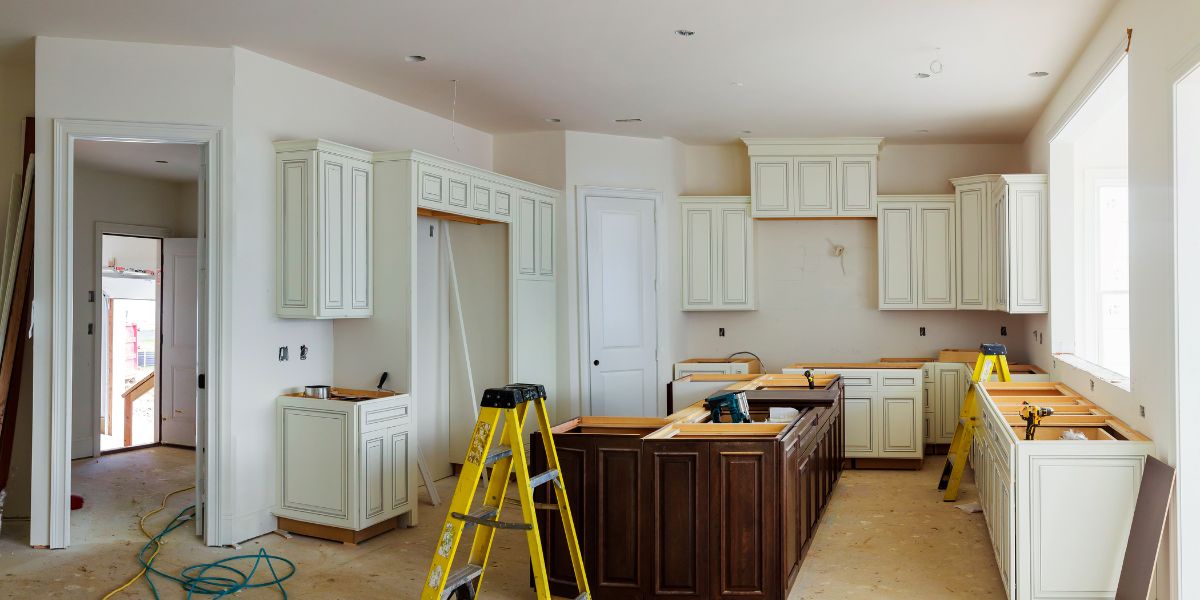
A kitchen renovation can improve storage, counter space, lighting, seating, appliance placement, and connection to nearby rooms. It can also make the home feel more open and welcoming.
The best kitchen design depends on how the homeowner uses the space. A family that cooks often may need more prep space and durable surfaces. A household that entertains may want a large island and better flow into the dining area. Someone who values organization may prioritize pantry storage, cabinetry, and efficient work zones.
A successful kitchen renovation should balance style and function. Beautiful finishes matter, but the space should also make cooking, cleaning, gathering, and everyday movement easier.
Home Additions Can Make Staying Put Possible
Many homeowners love their neighbourhood but outgrow their house. Moving may not be the ideal choice when the location, schools, lot, neighbours, or community still feel right. A home addition can create more space while allowing the homeowner to stay where they are.
Additions can serve many purposes. They may create a larger kitchen, family room, primary suite, mudroom, garage, guest room, main-floor bedroom, or home office. Some additions support growing families, while others support aging in place or multigenerational living.
A strong addition should feel connected to the original home. It should not look or function like a separate piece attached later. The design should consider exterior style, interior flow, rooflines, structure, natural light, and how the new space will be used every day.
When planned carefully, an addition can make a familiar home feel more spacious, flexible, and complete.
Basements Can Become Some of the Most Useful Spaces
Basements are often underused. They may become storage areas, laundry zones, unfinished rooms, or spaces that feel too dark for daily use. With thoughtful design, a basement can become one of the most practical and flexible areas in the home.
A basement renovation can create a family room, guest suite, playroom, home theatre, gym, office, hobby room, bathroom, or secondary living area. The key is to design the space with comfort and purpose in mind.
Basements require special planning. Lighting, ceiling height, insulation, moisture control, flooring, ventilation, and mechanical systems all need attention. A finished basement should feel like a natural extension of the home, not a disconnected lower level.
When designed well, a basement renovation can add meaningful living space without expanding the home’s footprint.
Whole-Home Renovations Require a Bigger Picture
Sometimes one room is not the only issue. The entire home may need better flow, updated finishes, improved storage, more natural light, or a layout that supports a new stage of life. A whole-home renovation can help reimagine the property as a complete living environment.
This type of project may include updating kitchens and bathrooms, changing walls, improving flooring, redesigning stairs, modernizing lighting, adding storage, refreshing the exterior, or upgrading older systems. Because every change affects the larger home, planning is especially important.
A whole-home renovation should feel cohesive. Each room should connect naturally to the next. Materials, colours, layouts, and finishes should work together so the home feels unified rather than patched together.
For homeowners who love their location but need the house to function differently, a whole-home renovation can create the feeling of a new home without leaving a familiar place.
Older Homes Need Careful Renovation Decisions
Older homes often have character that homeowners want to preserve. Original trim, brickwork, staircases, fireplaces, wood details, proportions, and architectural features can make a home feel special. At the same time, older homes may need updates to support modern comfort and convenience.
Renovating an older home requires balance. Homeowners may want more storage, better insulation, updated bathrooms, a larger kitchen, improved systems, or a more open layout. The challenge is making these improvements without removing the personality that gives the home its charm.
Some features may be worth restoring. Others may need to be replaced or redesigned. The renovation should respect the character of the home while improving how it works for modern life.
A successful older-home renovation should feel natural. It should look like the home has evolved thoughtfully, not like old and new elements were forced together.
Custom Homes Should Be Designed Around Real Priorities
Building a custom home gives homeowners the chance to create a space based on their lifestyle from the beginning. Instead of adapting to an existing layout, they can plan rooms, flow, storage, outdoor spaces, and finishes around the way they actually live.
A custom home should begin with practical questions. How does the family spend time together? How much privacy is needed? Is entertaining important? Should the home support remote work, guests, hobbies, aging in place, or multigenerational living? What kind of kitchen, storage, lighting, and outdoor space will make daily life easier?
Because custom homes involve many decisions, a clear process is important. Homeowners need guidance through design, budgeting, selections, permits, construction, and finishing details.
A well-designed custom home should feel personal, functional, and built for long-term comfort.
Exterior Renovations Can Improve the Whole Property
The exterior of a home affects first impressions, but it also plays an important role in protection, comfort, and maintenance. Siding, roofing, windows, doors, porches, decks, trim, and outdoor living spaces all shape how the home looks and performs.
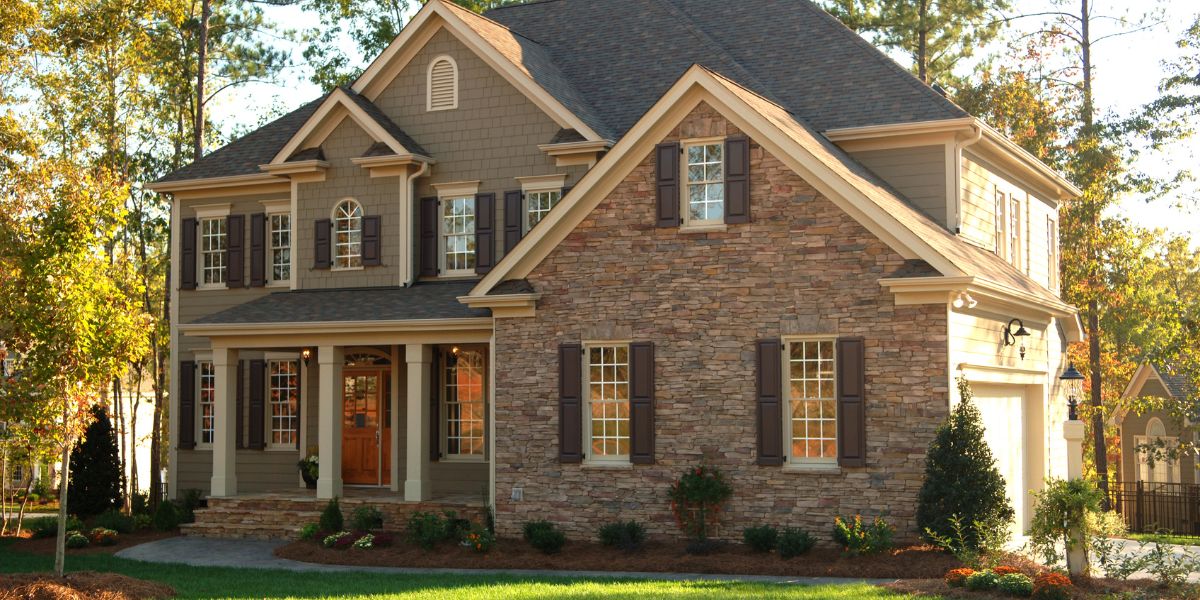
Exterior renovations can improve curb appeal, refresh an aging façade, create better outdoor areas, and address maintenance concerns. A redesigned entryway, improved porch, updated siding, or stronger connection to the backyard can change how homeowners experience the property.
Exterior work should consider both appearance and durability. Materials, weather exposure, insulation, drainage, and maintenance needs all matter. A beautiful exterior should also be practical and built to last.
When planned well, exterior updates can make the entire home feel more complete and cared for.
Budget Planning Helps Keep Priorities Clear
Budget is one of the most important parts of renovation planning. Homeowners need to understand what is realistic and how different decisions affect the overall investment. Materials, labour, permits, structural work, finishes, and project complexity all influence cost.
Clear budget planning helps homeowners make better choices. Some may decide to invest more in layout changes and less in luxury finishes. Others may prioritize durable materials, custom details, or long-term performance. Some may choose to complete the project in phases.
The goal is not always to spend the most or the least. The goal is to spend wisely. A renovation should focus on the changes that will make the biggest difference in daily life and long-term comfort.
When budget conversations happen early, the project can move forward with more confidence.
Communication Makes Renovation Feel More Manageable
Renovation can be exciting, but it can also disrupt normal routines. Homeowners may be living through construction, making many decisions, and adjusting daily life while the work is underway. Clear communication can make the experience much smoother.
A strong renovation process should help homeowners understand what is happening, what decisions are needed, and what comes next. Regular updates, organized planning, and honest conversations can reduce stress.
Communication is especially important when unexpected issues arise. Older homes, structural changes, weather, permit timelines, and material availability can all affect a project. When the team communicates clearly, homeowners can make informed decisions without feeling overwhelmed.
The finished space matters, but the experience of getting there matters too.
The Right Team Connects Design and Construction
A major renovation or custom home project requires more than ideas. It requires planning, coordination, craftsmanship, communication, and problem-solving. Design decisions need to connect with construction realities so the finished result works as intended.
This is why choosing the right team is so important. Homeowners need guidance from people who understand both the creative and practical sides of the project. A strong team can help turn early ideas into a plan that fits the home, the budget, and the homeowner’s lifestyle.
Working with Ottawa design-build renovation services can help homeowners move through the process with clearer communication and better coordination from planning to completion.
A Renovation Should Support the Future
A renovation should solve current problems, but it should also consider future needs. Families grow, children move out, work routines change, accessibility needs develop, and lifestyle priorities shift over time.
Planning for the future can make a renovation more valuable. This may include flexible rooms, better storage, improved lighting, durable finishes, main-floor living options, or layouts that can adapt as life changes.
A home that works well today should also support tomorrow as much as possible. Thoughtful design can help create that flexibility.
When homeowners think ahead, they can make decisions that feel useful for years, not only for the current moment.
Creating a Home That Feels More Complete
A well-planned renovation can change how a home feels every day. It can make cooking easier, create more space, improve storage, support remote work, add comfort, refresh style, and make the home better suited to the people who live there.
Whether the project is a kitchen renovation, basement remodel, home addition, exterior update, whole-home transformation, or custom build, the goal should be a home that feels more functional, personal, and enjoyable.
With the right planning and process, a renovation can do more than update a house. It can create a home that works better, feels better, and supports everyday life in a more meaningful way.